The Commission emphasize the use of innovation and integration to achieve maximum impact. CCJP structures are present from the smallest community known as outstation (grassroots), working to maintain peace throughout the country to the parliamentary level where it is advocating for policy changes.
The Catholic Commission for Justice and Peace (CCJP) operation stretches in 9 civil districts in two provinces, namely Mashonaland West and Central. The Social Teachings of the Catholic Church (STC) are the basic foundation of the organization. The Commission works without regard to religion, race, gender or ethnicity. CCJP has vast experience in designing, implementing, monitoring and evaluating programs through various community participatory approaches to foster long-term and sustainable programs that engage all stakeholders from the rights holders to government ministries. Community capacity strengthening is a key strategy for the commission as relevant skills and knowledge are shared among community members to spearhead the necessary changes that eradicate unjust social, economic and cultural norms that hinder development.
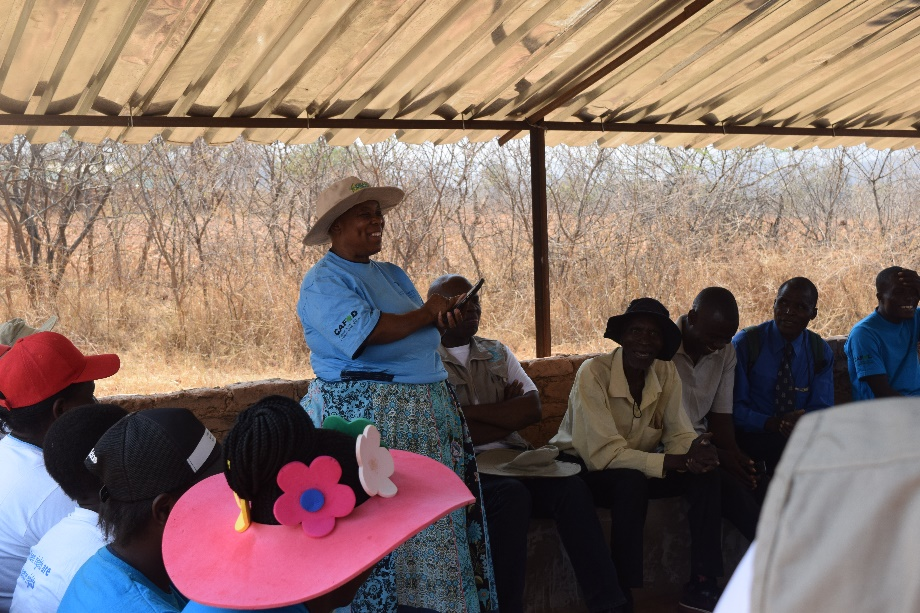
CCJP works in collaboration with other Catholic Church institutions which include the CARITAS, Education and Health commissions in delivering its mandate. The organisation also works with existing community-based structures from which a pool of volunteers have been trained and organised in different fields such as Human Rights defenders, election observers, social accountability monitoring female and male group and gender ambassadors, to cascade the interventions to peer community members.
In all its programming the Commission, mainstreams cross-cutting themes which include disability, children, elderly, gender, HIV/AIDS, protection and environment. Female participation takes centre stage of the Commission programming as women take up usually male dominated roles such as assuming leadership roles in local structures Ward Development Committees, Child Protection Committees.