Background Summary
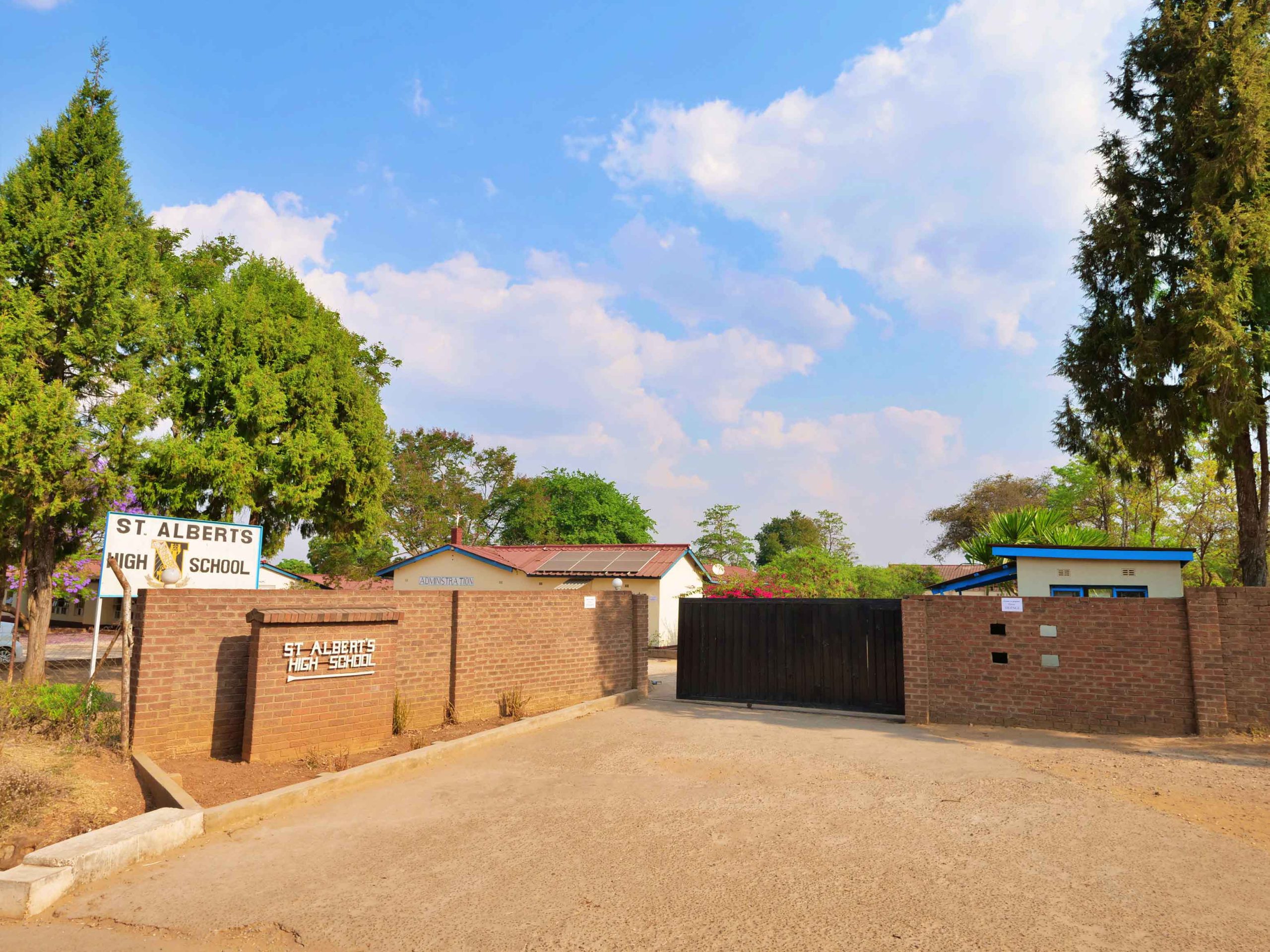
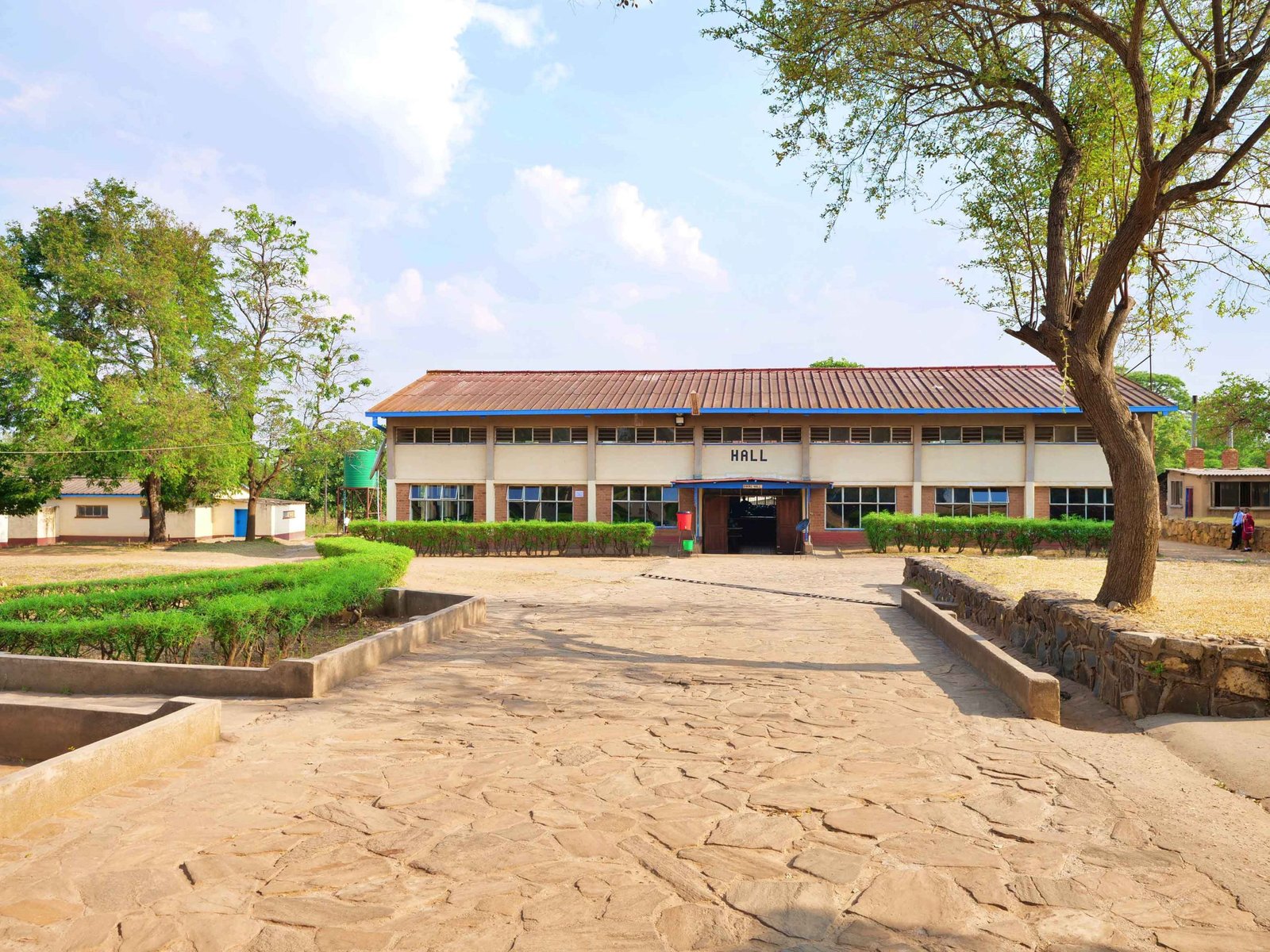
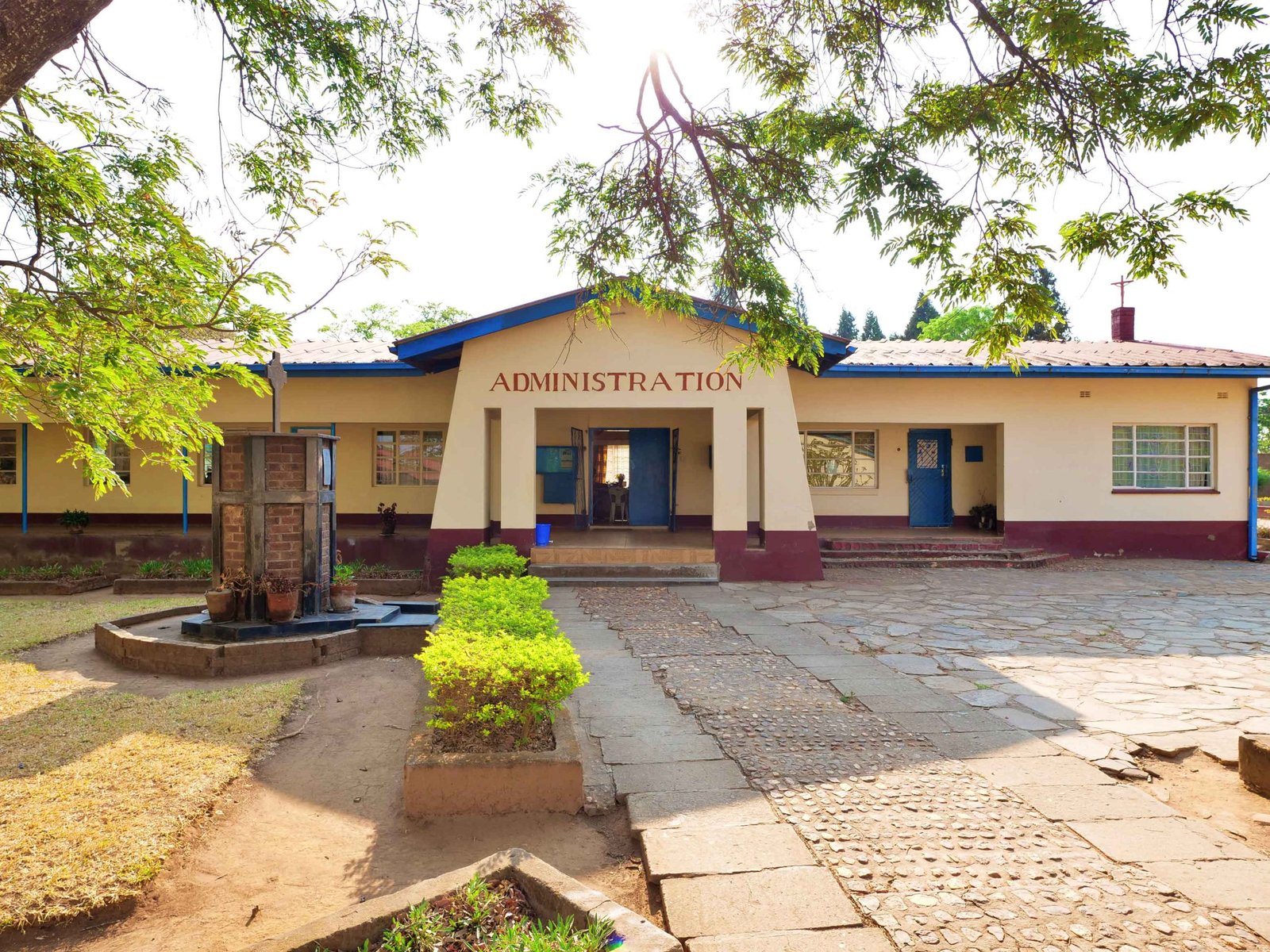
The school was founded in the 1970s by the Jesuit society of the Roman Catholic Church. In July 1973, Zimbabwe African National Liberation Army (ZANLA) cadres captured 292 pupils and staff from the school and force-marched them north towards Mozambique, where the ZANLA bases were. The march was intercepted by the Rhodesian Security Forces before it crossed the border and all but eight of the children and staff were recovered. The school was closed in the late 1970s at the height of the Rhodesian Bush War.
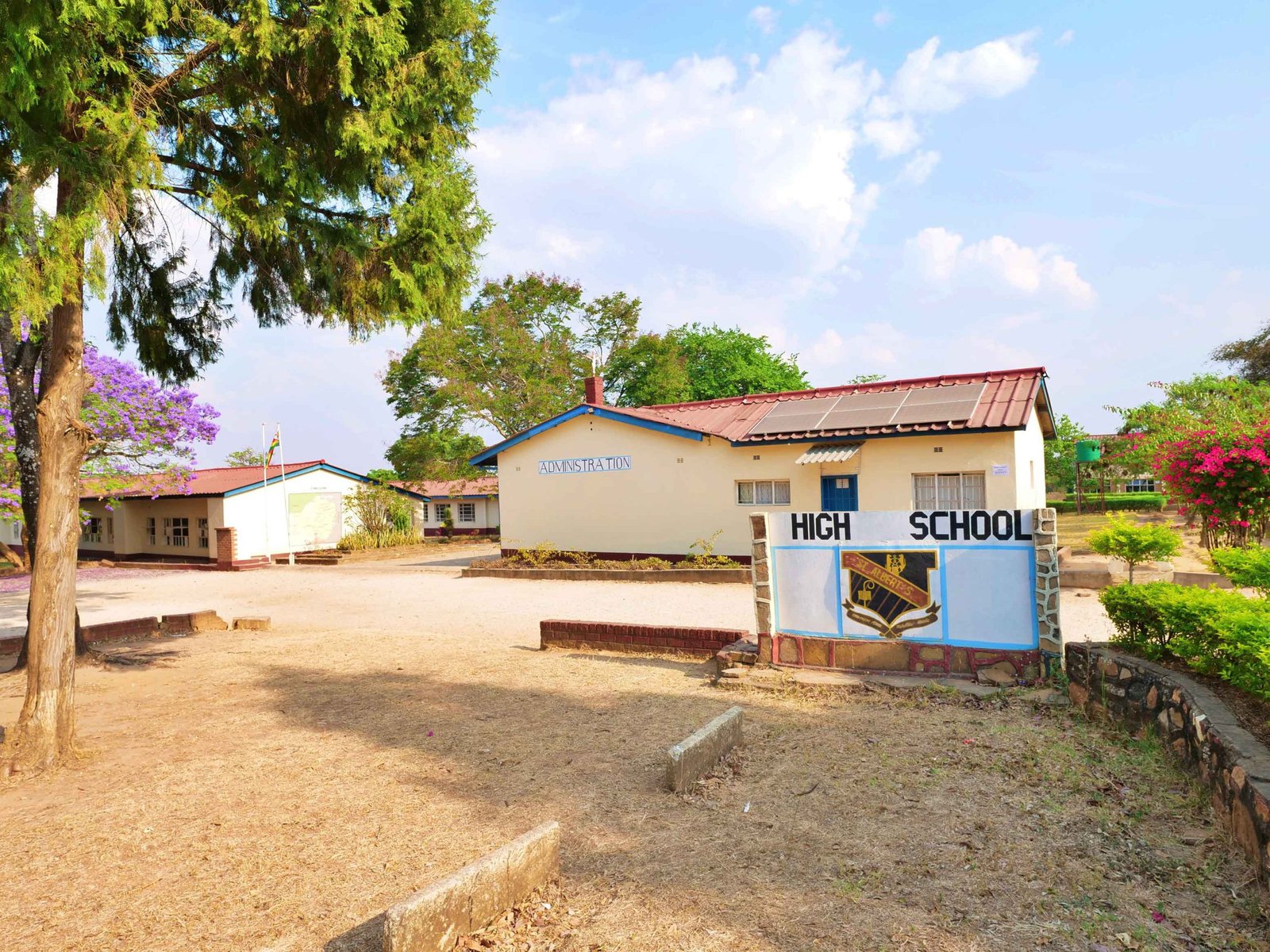
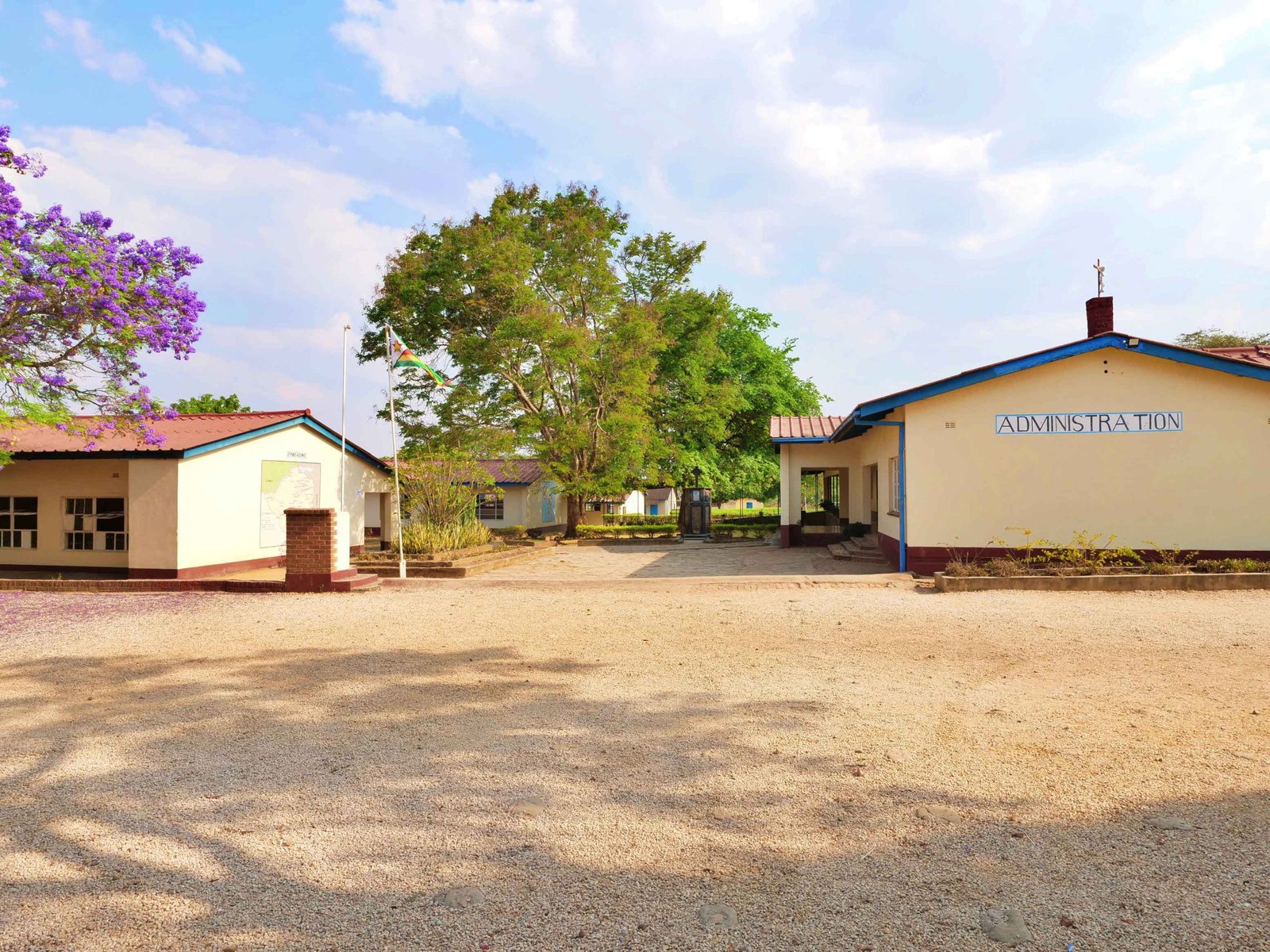
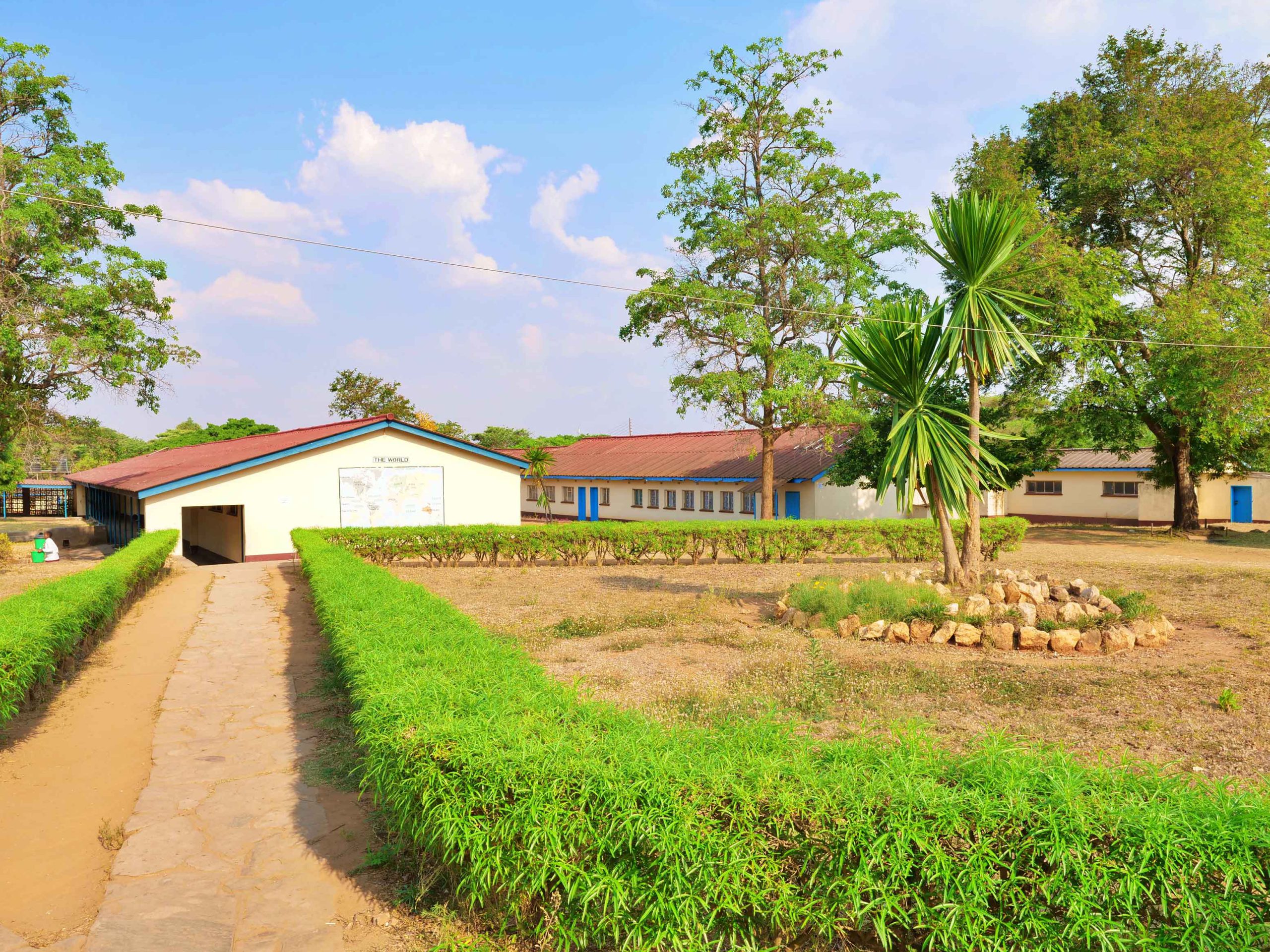
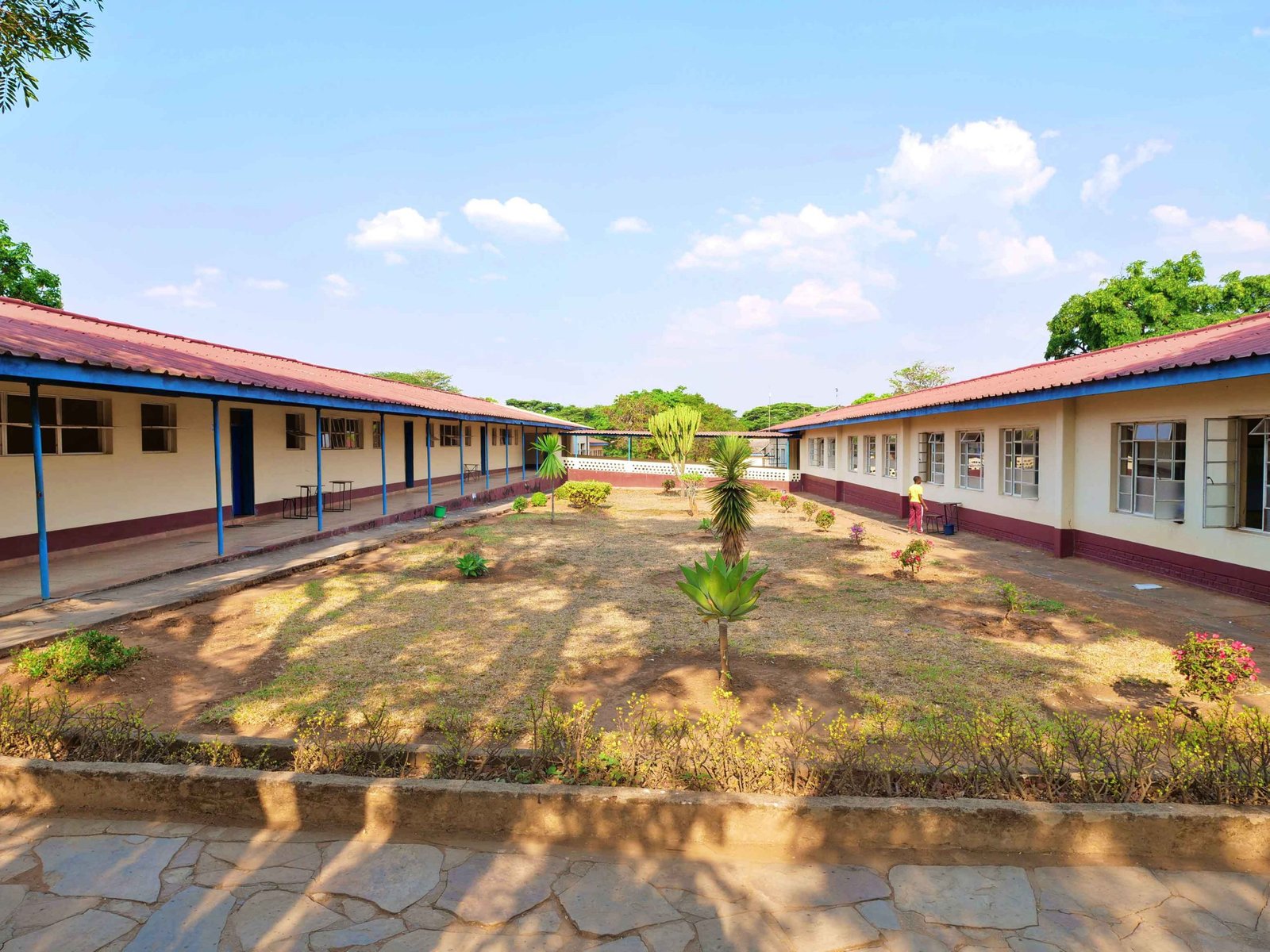
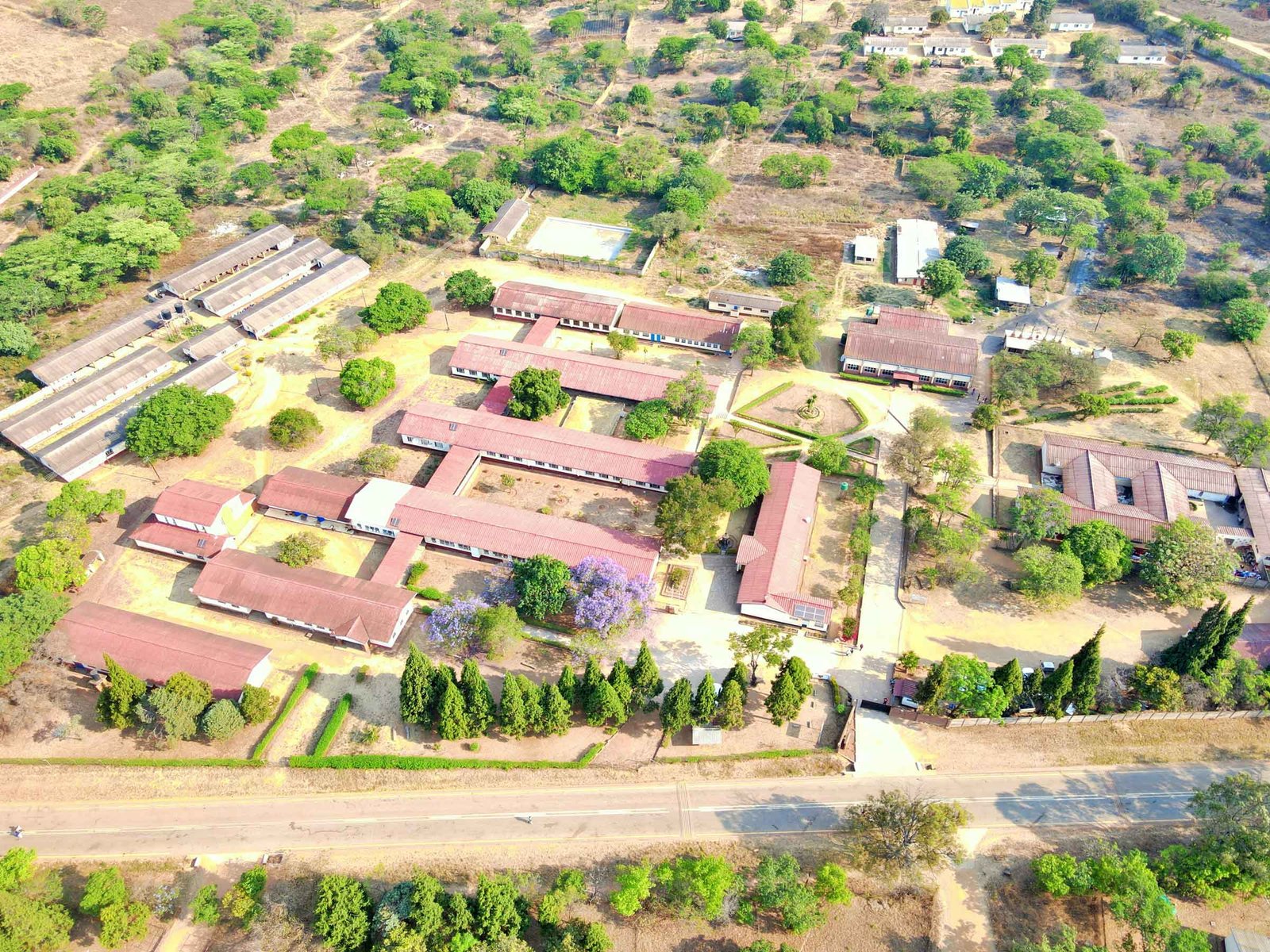
In 1981, the school was reopened with around 120 students in Form One. Its first headmaster after the war[vague] was Celestine Mtandadzi (died 28 July 2007). His deputy was Cannan Chabayanzara (died 2003). Initially, the school had a total of four teachers. The school grew with each passing year; by 1984, it had forms one to four. The school added buildings to accommodate the increased class size.
St Alberts had teachers whose appreciation of drama and theatre led the school to build theatres not only for the students, but for the surrounding communities. Among these teachers was George Mujajati, who went on to write novels and plays like “Victory” and “The Wretched One”. St. Alberts won several drama trophies under its teacher and chief drama master Gonzo Habbakuk Msengezi.[citation needed] He became the first writer in Zimbabwe to be pursued by the Secret Police after writing books like “Zvairwadza Vasara” and “The Honourable MP”.
St Alberts opened its doors to A-level students in 1987. It started with only arts students, as the school was still in the process of building science laboratories.
The school was involved in agriculture projects, as it had a large student garden. It also kept cattle, pigs and goats.
ADDRESS
Centenary, Mashonaland Central
Zimbabwe